
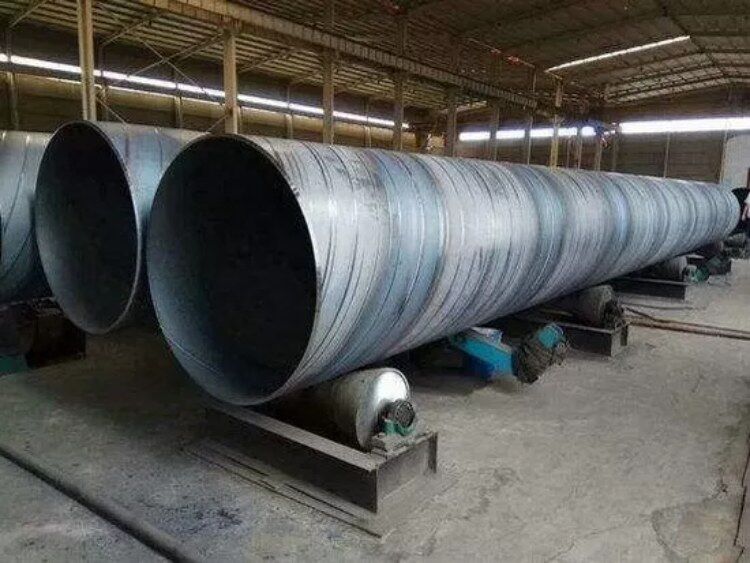
In global construction engineering and architectural design, building taller, longer, and more geometrically complex structures demands materials that optimize weight-to-strength ratios. Structural steel tubing has fundamentally transformed modern infrastructure by replacing traditional solid beams with highly efficient, load-bearing profiles.
Among the leading European standard structural grades, S355JR hollow sections represent the benchmark for high-strength structural carbon steel pipe applications. Formulated under the EN 10025-2 and EN 10210/EN 10219 framework, this grade provides the precise balance of a high yield strength boundary, excellent field weldability, and predictable impact resilience required to support heavy civic and industrial frameworks.
What Are S355JR Hollow Sections?
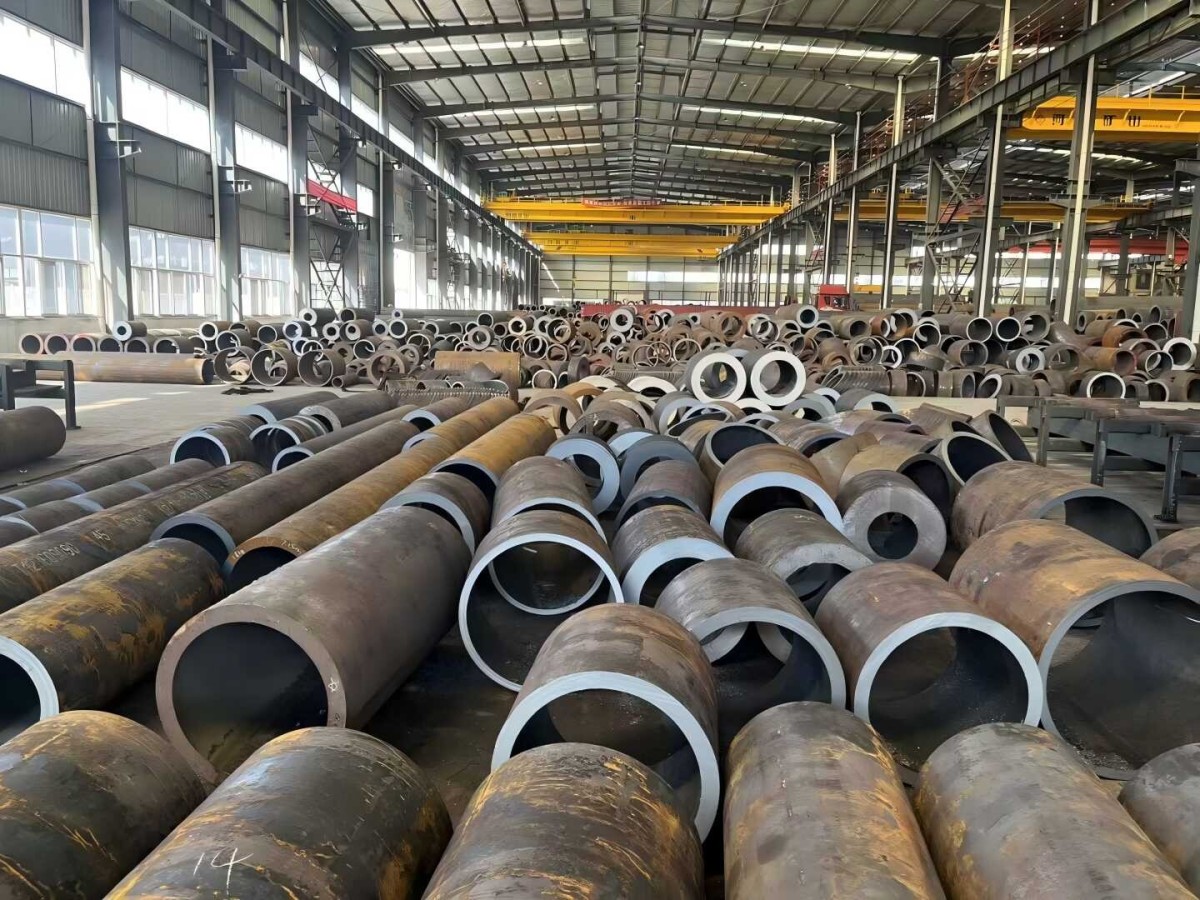
S355JR hollow sections are high-strength non-alloy structural steel profiles produced as circular (CHS), square (SHS), or rectangular (RHS) geometric tubes. The alphanumeric designation defines its exact performance limits:
"S" indicates its classification strictly as a structural steel.
"355" denotes its minimum guaranteed yield strength of 355 MPa (for wall thicknesses ≤ 16mm).
"JR" specifies that the material undergoes mandatory Charpy V-notch impact toughness validation at room temperature (20℃), requiring a minimum energy absorption of 27 Joules.
These hollow structural sections (HSS) are manufactured as either hot-finished seamless steel pipe configurations for high-stress applications or cold-formed welded steel pipe profiles designed to optimize cost-efficiency in general frameworks.
Key Selling Points: Mechanical and Processing Advantages
Selecting S355JR over lower carbon steel pipe grades (such as S235 or S275) delivers several profound technical and financial advantages for procurement managers and structural engineers:
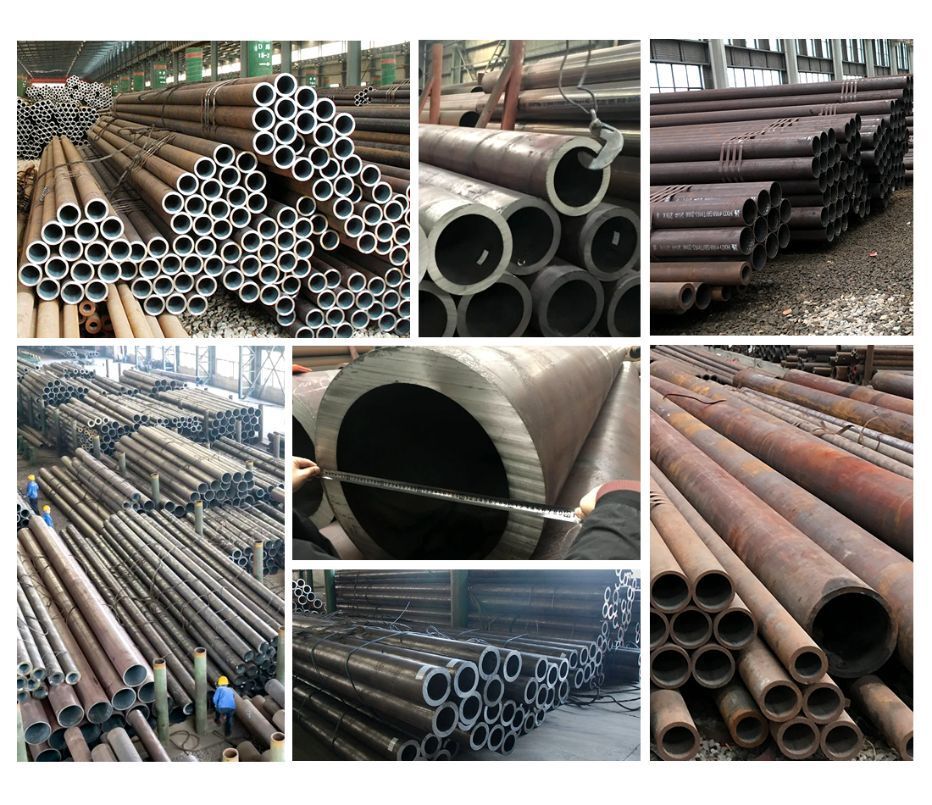
High Pressure Resistance and Material Savings: With a minimum tensile strength spanning 470 - 630 MPa, S355JR tolerates exceptionally high static and dynamic pressure loads. This high load-bearing capacity allows engineers to specify thinner pipe walls and lighter structural sections without sacrificing safety, reducing overall steel tonnage and lowering structural transport and foundation costs.
Excellent Weldability and Low Maintenance: The precise chemical configuration maintains a optimized carbon equivalent (CEV) limit. This ensures the steel can be rapidly welded using standard field methodologies (SMAW, GMAW) without a mandatory pre-heating cycle in normal ambient conditions. The resulting joints are ductile and resistant to fatigue cracking, translating into an extended operational lifespan and low maintenance expenditure.
Torsional Strength and Interior Efficiency: The closed structural profile of hollow sections provides excellent multidirectional torsional resistance compared to open I-beams. Additionally, the smooth inner surface and uniform geometry allow the internal cavity to be utilized for routing building utilities or filled with concrete to create high-capacity composite columns.
Structural Applications in Modern Civil Engineering
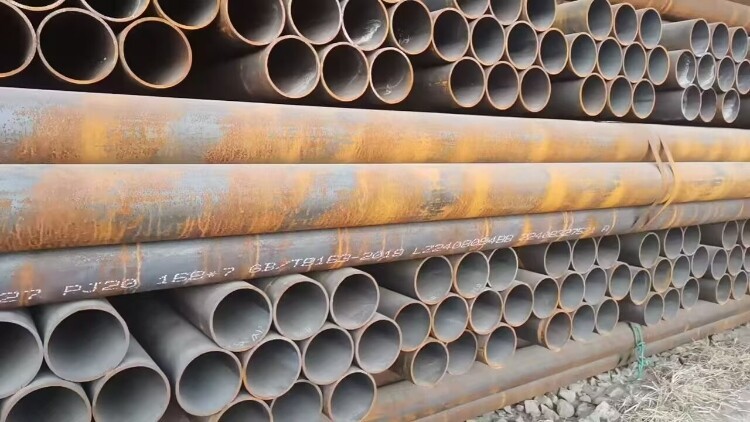
Iconic Public Architecture & Bridge Engineering: Due to their aesthetic symmetry and high yield strength, rectangular and circular S355JR structural profiles are widely deployed in wide-span space frames, airport terminals, sports stadium roof trusses, and pedestrian bridges. They provide clean architectural lines while reliably bearing high wind and dead loads.
Heavy Machinery and Industrial Shoring: In industrial zones, these hollow sections serve as the structural backbone for heavy crane gantry systems, offshore equipment platforms, modular warehouse racking, and safety shoring systems where structural failure is entirely unacceptable.
China Manufacturing Advantages
Tier-1 Chinese steel manufacturing facilities hold deep professional expertise in supplying premium export-quality S355JR structural steel tubing networks globally. Utilizing continuous rolling mills and automated high-frequency welding (HFW) lines, factories maintain a stable supply of materials matching international wall tolerances (Schedule schedules or custom dimensions).
Chinese mills support full technical customization, including custom cut-to-length requirements, specific bevel finishes, internal weld-bead rolling, and external anti-corrosion treatments (such as hot-dip galvanizing, 3LPE, or epoxy primers) to guarantee long-term corrosion resistance. Every project delivery includes fully traceable Mill Test Certificates (MTC) conforming to EN 10204 3.1, ensuring seamless regulatory compliance for global EPC buyers.
FAQ
What is the primary difference between S355JR and S355J2 steel grades?
The primary difference lies in their impact testing validation temperatures. While both possess a $355 text{ MPa}$ yield strength, S355JR is impact-tested at room temperature (+20℃ to ≥27J), making it ideal for standard ambient structures. S355J2 undergoes more stringent impact testing at sub-zero temperatures (-20℃ to ≥27J), making it suitable for cold-climate applications.
Can S355JR hollow sections be used for fluid transportation?
While primarily classified and dimensioned as a structural hollow section, the high structural pressure resistance and clean chemistry of S355JR allow it to be utilized for low-pressure fluid, slurry, or utility lines in industrial facilities. However, for specialized high-pressure or corrosive fluid delivery, dedicated carbon steel pipes certified under fluid-conveyance standards (like EN 10217 or API 5L) are recommended.
PRODUCT LIST
Leave a Reply
Your email address will not be published. Required fields are marked *
Get in Touch
Get real-time quotes
Interested? Leave your contact details.