
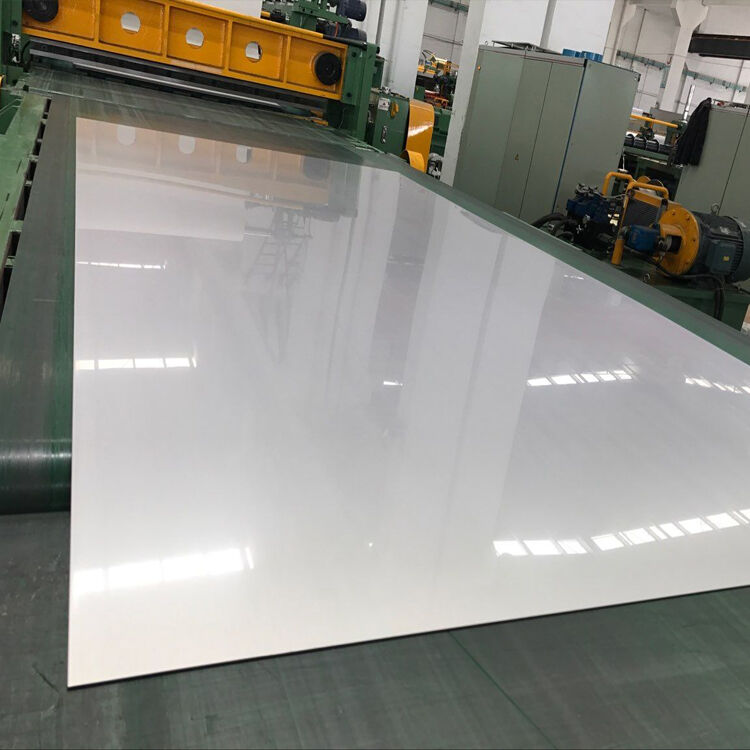
In daily life, stainless steel sheets are very common. They are actually made of stainless steel as the main raw material and then processed with corresponding metal. They cover daily necessities, industrial supplies, and medical supplies.
Stainless steel sheet processing
After stainless steel products are produced, appropriate polishing work is required before they can be shipped out of the factory. Grinding work includes rough grinding, semi-fine grinding and fine grinding.
Stainless steel sheet rough grinding
Rough grinding is mainly to remove the solder joints left by welding on the stainless steel sheet and the bruises that occurred in the previous process. The purpose is to make the weld fillet initially formed, and there are basically no large scratches and scratches on the horizontal and vertical surfaces. For bruises, a 600# abrasive belt is generally used to grind back and forth on three sides. After this step, the surface roughness of the workpiece should reach R0.8mm. What needs to be paid attention to during the polishing process is the inclination angle of the belt sanding machine, and the pressure of the belt sanding machine on the stainless steel workpiece should also be controlled. Generally speaking, it is more suitable to be in a straight line with the polished surface.
Stainless steel sheet semi-precision grinding
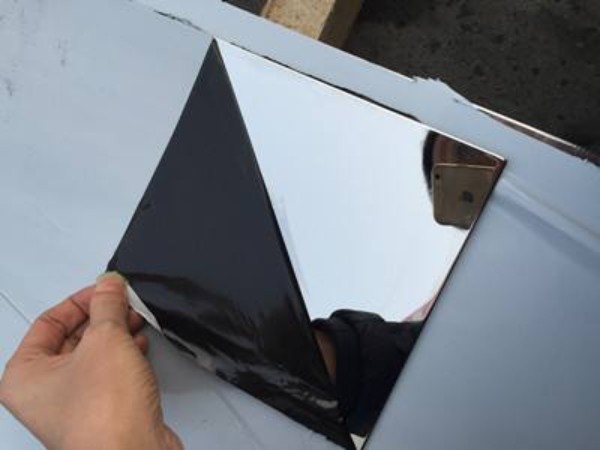
The second step is semi-fine grinding, which is mainly to repair the unsealing that occurred in the process, and to further fine grind the grinding marks formed in the previous step, and to repeatedly grind the marks left in the rough grinding, with the purpose of making stainless steel The surface of the sheet has no scratches and becomes bright. Generally, an 800# abrasive belt is used to grind the three sides of the workpiece according to the previous method of grinding the workpiece back and forth. The surface roughness of this process must reach R0.4mm. No new scratches or bumps can be formed on this bench. If this happens, it will be difficult to repair it in subsequent processes.
Stainless steel sheet precision grinding
Next is fine grinding. The main purpose of this workbench is to polish the welding joints between the unground parts of the workpiece and to remove all scratches and bruises on the surface of the stainless steel sheet to make the surface of the workpiece brighter. Generally, this method is used Use a 1000# abrasive belt to correct and grind the small lines that appear on the front bench. The grinding method is the same as the previous step. The workpiece after grinding by this workbench should be basically close to the mirror effect, and the surface roughness of the workpiece should reach R0.1mm.
At present, there are many types of stainless steel sheets and they are widely used. They usually have high requirements on surface brightness, so the corresponding polishing process is very necessary.
The necessity of polishing stainless steel sheets
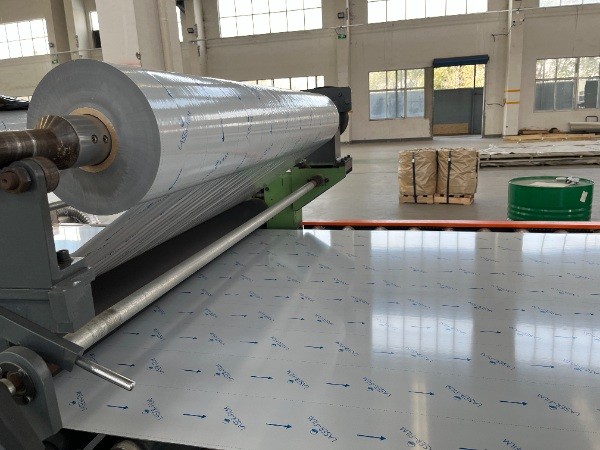
The grinding of stainless steel sheets is indispensable in many situations, which vary depending on the use and needs.
Surface smoothness requirements: When the surface of a stainless steel sheet is required to be very smooth, such as in areas such as high-end decoration, furniture, auto parts, or kitchen appliances, polishing becomes crucial. By sanding, surface imperfections, scratches, and unevenness can be removed to achieve a better appearance.
Hygiene and hygiene requirements: In areas such as food processing, pharmaceuticals and medical equipment manufacturing, stainless steel surfaces must be polished to ensure a smooth surface that is not prone to microorganisms or dirt adhering to maintenance of hygiene and sanitation standards.
Repair damaged parts: When there are scratches, rust, or other damage on the surface of the stainless steel sheet, grinding can be used to repair the surface to make it look more novel and beautiful.
Improved corrosion resistance: In some cases, by polishing the surface of stainless steel, you can improve its corrosion resistance, especially if it is exposed to harsh environments or chemicals.
Pre-machining: stainless steel sheets often require grinding before cutting, welding, bending or other machining to ensure consistent surface quality and dimensions during processing.
To sum up, stainless steel sheets are usually polished to improve their appearance, performance and serviceability. The exact method and degree of grinding will vary depending on the specific application and requirements, including mechanical grinding, electrolytic grinding, chemical grinding and other different techniques to meet the required surface quality and end use.
PRODUCT LIST
Leave a Reply
Your email address will not be published. Required fields are marked *
Get in Touch
Get real-time quotes
Interested? Leave your contact details.