
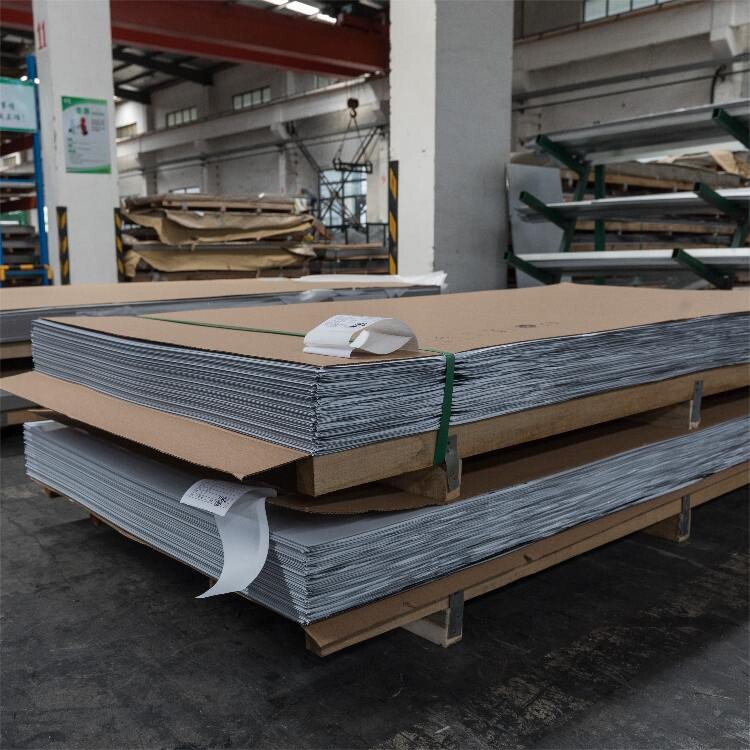
Characteristics of stainless steel plates
Corrosion Resistance
Stainless steel plates are renowned for their excellent corrosion resistance, capable of withstanding acids, alkalis, salts, and various other chemicals. This is attributed to their unique alloy composition, primarily consisting of chromium, nickel, and molybdenum, allowing stainless steel to maintain its physical and chemical properties in diverse environmental conditions such as marine, chemical, petrochemical, and food processing industries.
High Strength
Stainless steel plates offer high strength and hardness, capable of bearing significant pressure and stress, ensuring a long service life. They possess outstanding mechanical properties, including excellent heat and cold resistance, maintaining structural integrity under high or low-temperature conditions. This makes stainless steel plates ideal for applications in construction, bridges, and pressure vessels.
Aesthetic Appearance
Stainless steel plates have a smooth and flat surface with a high gloss, and various surface treatments can be applied to meet different decorative needs:
Easy Processing
Stainless steel plates have excellent plasticity and ductility, suitable for various processing techniques:
Cutting: Methods such as laser cutting, plasma cutting, and waterjet cutting ensure smooth and burr-free edges.Welding: Suitable for TIG, MIG, spot welding, and other welding processes, offering excellent weldability.Bending: Performed on bending machines to achieve complex shapes and designs.
Types of Stainless Steel Plates
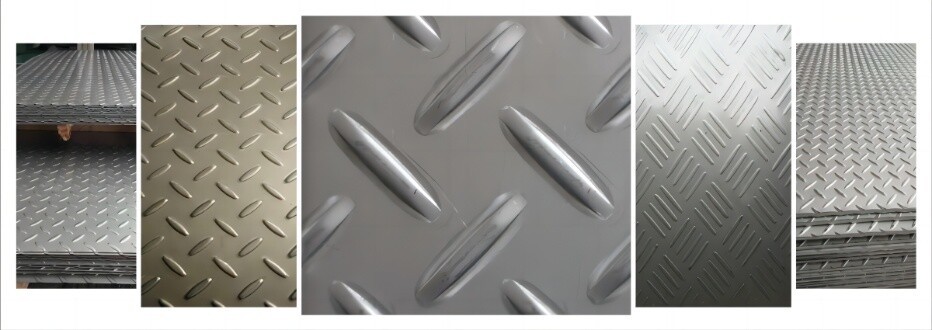
Patterned Stainless Steel Plates
Patterned stainless steel plates feature various patterns on their surface through mechanical or chemical processing, providing both aesthetic appeal and anti-slip properties, widely used in flooring and tread plates.
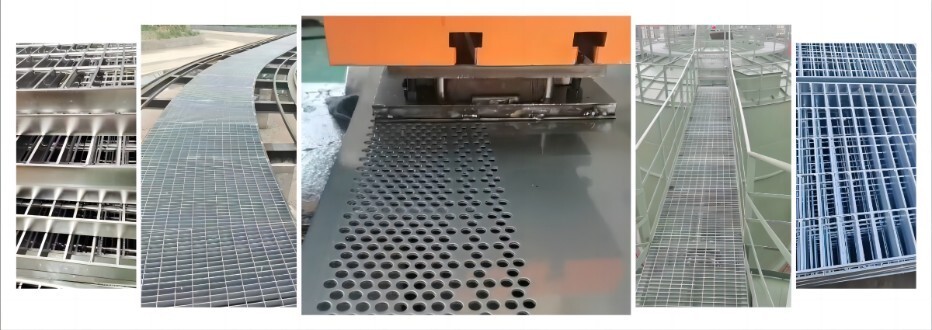
Perforated Stainless Steel Plates
Perforated stainless steel plates are processed with various shapes and sizes of holes using CNC punching machines, offering good breathability and decorative properties, commonly used in acoustic equipment, protective screens, and sieving equipment.
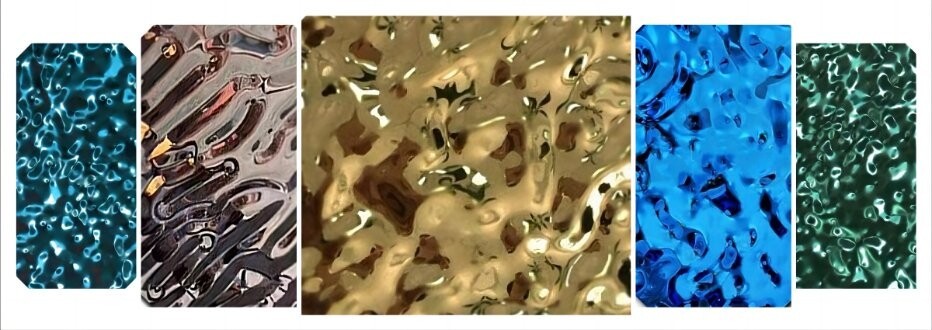
Water Ripple Stainless Steel Plates
Water ripple stainless steel plates feature wavy textures on their surface, providing unique visual effects, mainly used in architectural decoration and interior design.
Mirror Stainless Steel Plates
Mirror stainless steel plates achieve a mirror-like finish through fine polishing processes, widely used in decorative panels, elevator cabins, and high-end architectural facades.
Production Process
Raw Material Procurement: Sourcing high-quality alloyed stainless steel raw materials from reputable suppliers.
Heat Treatment: Improving material properties through annealing and solution treatment processes, ensuring good toughness and corrosion resistance.
Cold Rolling: Further enhancing material strength and surface smoothness by cold rolling the heat-treated plates.
Surface Treatment: Applying mirror polishing, brushed finish, or sandblasting according to customer requirements, enhancing aesthetic and functional qualities.
Cutting Processing: Cutting to various sizes and shapes using laser cutting, plasma cutting, or waterjet cutting based on customer specifications.
Welding and Forming: Performing welding and forming processes as per design requirements, ensuring dimensional accuracy and structural integrity.
Inspection and Packaging: Conducting stringent quality inspections on finished products to ensure they meet standards, followed by secure packaging to prevent damage during transportation.
PRODUCT LIST
Leave a Reply
Your email address will not be published. Required fields are marked *
Get in Touch
Get real-time quotes
Interested? Leave your contact details.