
News
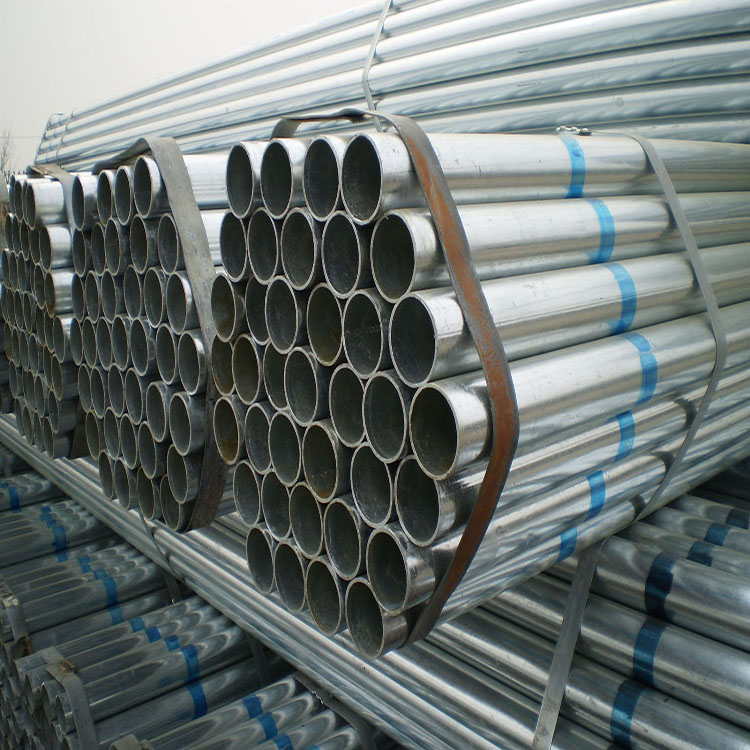
Regular Inspection and Cleaning of Galvanized Pipes
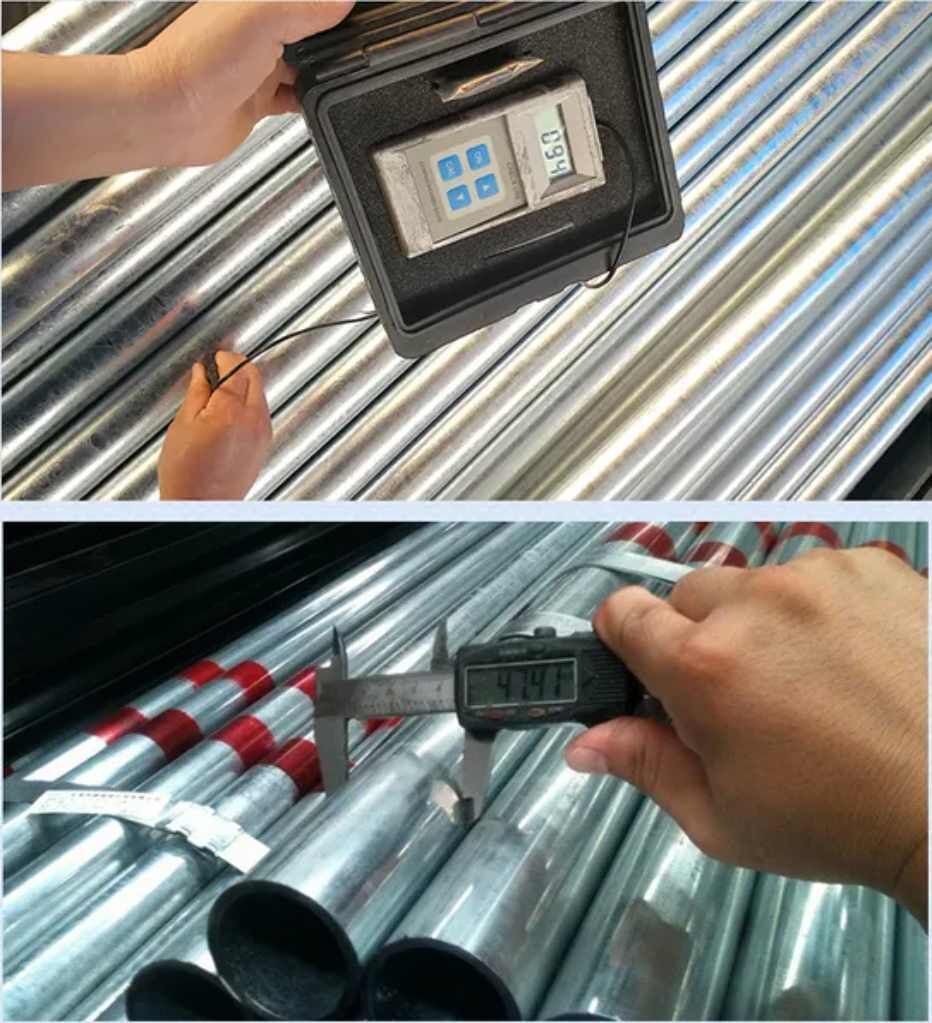
Galvanized pipes are known for their strong corrosion resistance. However, over time, dust, dirt, and other contaminants can accumulate on the surface, which may interfere with the protective zinc layer and lead to localized corrosion. Therefore, it is recommended to clean the surface of galvanized pipes regularly, particularly in environments that are humid, dusty, or heavily polluted. Additionally, periodic inspections of the zinc coating’s integrity should be carried out to remove surface deposits.
Cleaning Method: Use a soft cloth or brush to remove dust and stains from the surface. Avoid using sharp objects that may scratch the zinc layer, which can damage the coating.
Inspection Focus: Pay special attention to pipe joints and areas where water may accumulate, as these regions are more prone to corrosion.
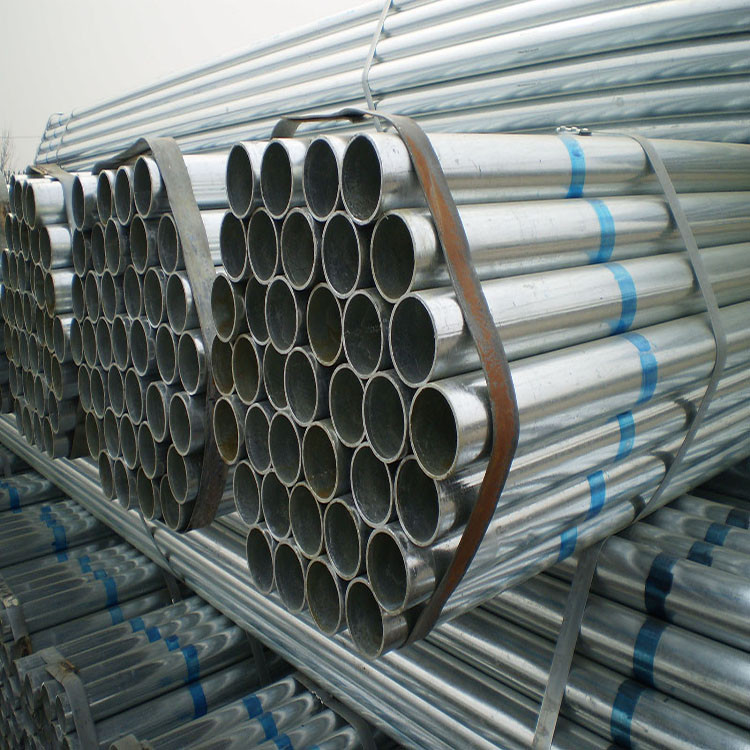
Avoid Physical Damage to Galvanized Pipes
The zinc layer on galvanized pipes is their primary defense against corrosion. Any physical damage to this layer can cause the zinc to peel off, reducing the pipe’s corrosion resistance. As such, during installation and use, galvanized pipes should be protected from external impact or scratching. Special care should be taken during transportation and installation to prevent surface damage.
Protection Measures: Use soft padding or packaging materials to protect the surface of the galvanized pipe and avoid direct contact with rough surfaces.
Installation Considerations: Ensure that the environment around the pipe, particularly at the points where the pipe passes through the ground or walls, does not pose a risk of physical damage.
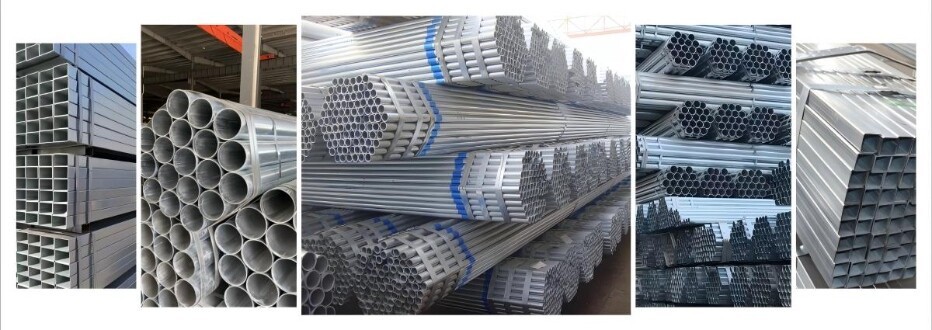
Minimize Exposure to Strong Acidic or Alkaline Environments
Although galvanized pipes offer a certain level of corrosion resistance, long-term exposure to strong acids or alkalis can lead to the degradation of the zinc coating, causing the internal and external protection layers to fail. To extend the service life of galvanized pipes, they should be kept away from strong acids, alkalis, or other corrosive liquids.
Environmental Adaptation: When using galvanized pipes, select appropriate working environments that minimize long-term exposure to highly corrosive gases or liquids.
Corrosion Protection: In areas prone to acid or alkali exposure, consider applying anti-corrosion coatings or performing secondary galvanizing to improve corrosion resistance.
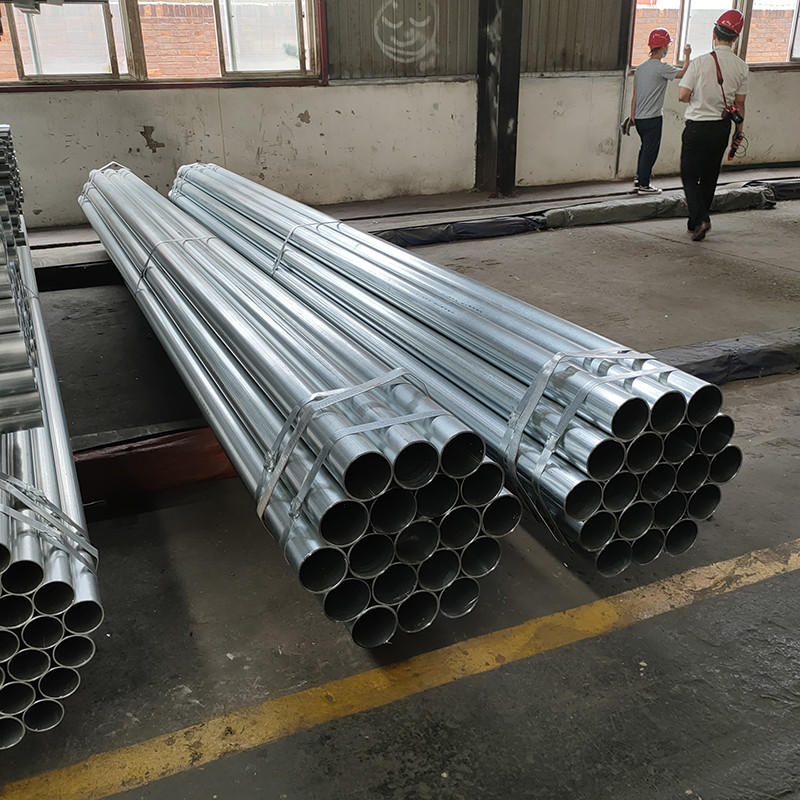
Protection of Galvanized Pipe Joints
The joints and welded areas of pipes are the most vulnerable points on galvanized pipes, as the zinc coating may be damaged during the construction process. To ensure that these areas remain resistant to corrosion, the following measures can be adopted:
Joint Sealing: Install seals or other leak-prevention measures at the pipe joints to prevent moisture or other corrosive substances from entering.
Welding Protection: Use specialized welding materials and techniques to prevent high temperatures from damaging the zinc coating. After welding, treat the welded areas with a coating to restore the protective zinc layer.
Prevent Excessive Water Accumulation
Galvanized pipes perform best in dry environments. Over time, water accumulation can lead to corrosion both inside and outside the pipe. Therefore, it is important to design and use pipes in a way that prevents water from collecting in the pipes.
Drainage Design: Ensure that the drainage system for the pipes is well-designed, allowing water to flow freely and preventing it from stagnating inside or on the surface of the pipes. In colder regions, precautions should be taken to prevent water from freezing and causing the pipes to burst.
Pipe Clearance: Regularly inspect the pipes for any blockages to ensure that drainage is clear and functioning properly.
Periodic Galvanizing Repairs
If galvanized pipes are subjected to harsh environments over an extended period, the zinc coating may lose its corrosion resistance. In such cases, re-galvanizing or applying a protective coating to the surface of the pipes can help extend their lifespan.
Re-Galvanizing: For severely aged or damaged galvanized pipes, it is recommended to perform hot-dip galvanizing to restore their corrosion protection.
Coating Repairs: Anti-corrosion coatings can be applied to the surface of the pipes, especially in areas that have sustained damage, to restore the protective layer.
PRODUCT LIST
Leave a Reply
Your email address will not be published. Required fields are marked *
Get in Touch
Get real-time quotes
Interested? Leave your contact details.