
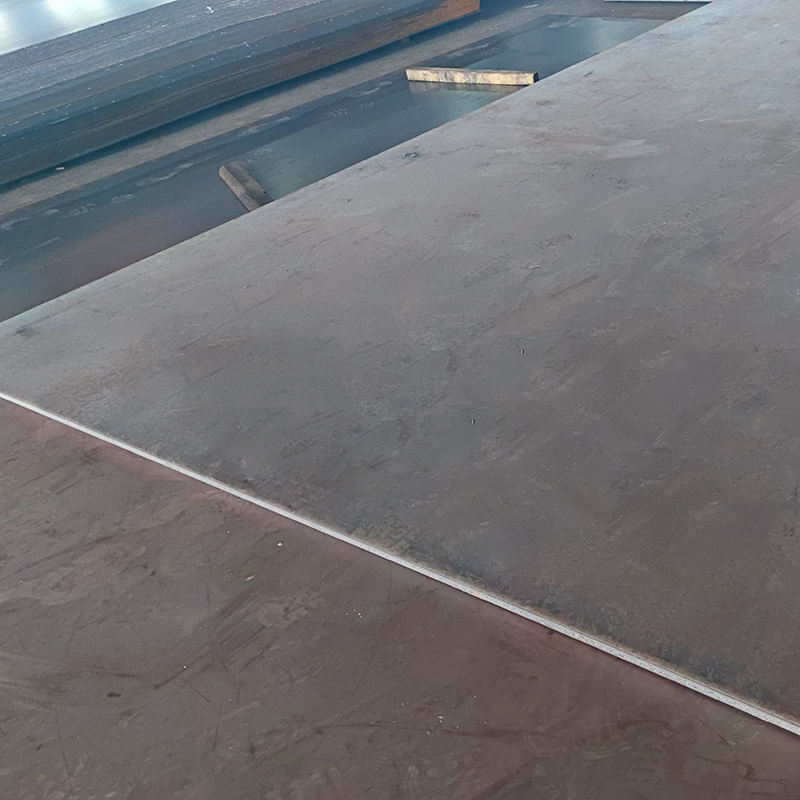
Carbon steel cutting and machining methods directly determine whether a steel plate, coil, bar, or pipe meets tight dimensional tolerances, clean edge geometry, and intact metallurgical properties during downstream fabrication. Thermal cutting, mechanical shearing or sawing, abrasive waterjet cutting, and multi-axis CNC machining each introduce distinct levels of localized heat, mechanical strain, residual stress, and surface roughness. For global EPC contractors, equipment builders, and industrial procurement teams, matching the processing method to the steel grade and application prevents micro-cracking, edge hardening, costly rework, and premature service failure.
What Are Carbon Steel Cutting and Machining Methods?
In industrial metalworking, cutting separates raw stock—such as heavy plates, hot-rolled or cold-rolled coils, structural shapes, bars, or pipes—into blanks, profiles, or cut-to-length segments, whereas machining removes material with precision cutting tools (milling, turning, drilling, boring, grinding, or beveling) to achieve exact tolerances, hole concentricity, sealing faces, or mating fits.
These operations generally fall into three functional families:
Thermal Cutting: Uses concentrated heat—from oxy-fuel flames, plasma arcs, or high-power fiber lasers—to melt or oxidize steel along a programmed path.
Mechanical Cutting and Machining: Uses shear blades, band saws, cold saws, lathes, or CNC milling cutters to sever or shape metal through controlled mechanical shear and chip formation.
Non-Thermal / Abrasive Cutting: Uses high-pressure water mixed with abrasive garnet (waterjet) to erode steel without generating a thermal heat-affected zone (HAZ).
Types, Grades, and Process Comparisons in Carbon Steel Cutting and Machining
Choosing the right method depends on material thickness, carbon equivalent, required edge finish, and whether the edge will later undergo bending, precision machining, or critical structural welding. Low-carbon grades (such as ASTM A36, S235JR, or Q235B) cut and machine cleanly with minimal hardening risk, whereas medium- and high-carbon grades (such as AISI 1045 or high-carbon wear/spring steels) have higher hardenability and require careful control of heat input, cutting feeds, and preheat or stress relief when specified.
Comparison of Cutting and Machining Methods for Carbon Steel
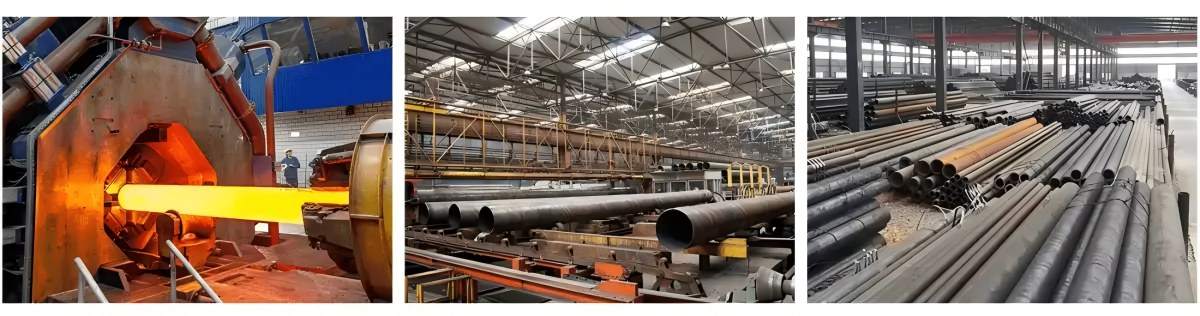
How Processing Affects Carbon Steel Quality and Performance
Even when a mill delivers certified steel that meets chemical and mechanical standards, improper cutting or machining can degrade local part performance:
Heat-Affected Zone (HAZ) and Edge Hardening: Thermal cutting and aggressive high-speed machining can raise edge temperatures above austenitizing limits and cool rapidly, creating hard, brittle martensitic or bainitic micro-regions—especially in medium- or high-carbon steels. Hardened edges can crack during cold bending or complicate subsequent drilling and welding.
Dimensional Accuracy, Flatness, and Warpage: Uneven thermal expansion during flame or plasma cutting, or clamping stress during machining, can bow thin plates or shift hole positions. Proper fixturing, cutting sequence planning, and stress relief preserve flatness and assembly fit.
Surface Integrity, Burrs, and Stress Raisers: Sharp burrs, micro-notches, dross, or rough tool marks act as stress concentrators under cyclic or fatigue loading and can compromise coating adhesion along cut edges. Deburring, edge rounding, and controlled machining feeds protect fatigue life and corrosion resistance.
Residual Stress and Weldability: Locked-in residual stresses from cutting or heavy stock removal can cause parts to spring out of alignment when unclamped or distort during welding. Specifying edge conditioning or stress-relieving heat treatment helps maintain dimensional stability.
Industrial Applications Across Sectors
Different industries balance speed, edge metallurgy, and tolerance differently based on end-use requirements:
Construction, Bridges, and Heavy Equipment: Baseplates, gussets, crane components, and structural frames rely on plasma, oxy-fuel, or laser cutting plus beveling and drilling to achieve reliable weld joints and bolted connections.
Oil, Gas, Energy, and Process Piping: Pipe end beveling (such as 30°–37.5° weld bevels), counterboring, flange facing, and machined fittings require tight dimensional control to ensure sound field welds and leak-free pressure containment.
Industrial Machinery, Automotive, and Automation: Brackets, mounts, shafts, and precision plates often combine laser or waterjet profiling with CNC milling and tapping to hit strict assembly tolerances without excessive secondary grinding.
General Fabrication and Sheet Metal Work: Enclosures, racks, and stamped/formed parts depend on burr-free edges and flat blanks so downstream forming dies and welding fixtures operate consistently.
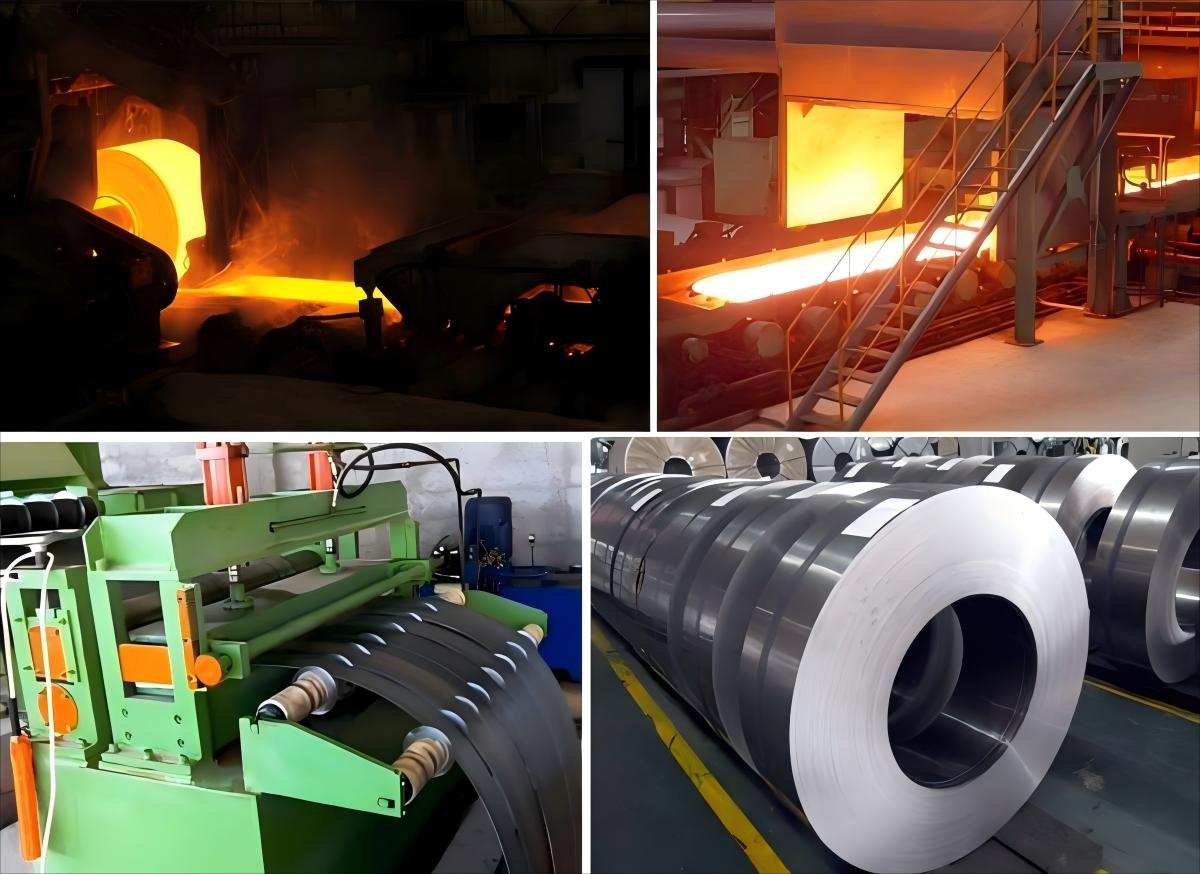
Quality Control, Standards, and Surface Treatment
In international B2B procurement, quality assurance bridges mill certification and downstream fabrication requirements:
Standards and Inspection: Raw material and processed parts are evaluated against applicable ASTM, EN, ISO, or ASME tolerances, backed by Mill Test Certificates (MTC, EN 10204 3.1/3.2) for the base steel heat. For critical orders, buyers may require dimensional inspection reports, roughness checks, non-destructive testing (NDT), or third-party inspection (SGS, BV, TUV, or Lloyd's Register).
Post-Cut Edge and Surface Finishing: After cutting or machining, parts may undergo deburring, edge chamfering/rounding, shot blasting, pickling, anti-rust oiling, or protective coating/galvanizing so cut edges do not initiate corrosion or coating failure in service.
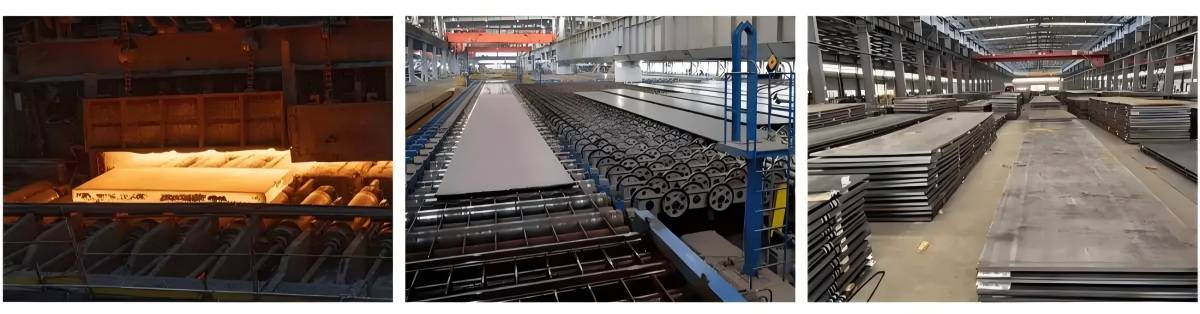
One-Stop Steel Supply (TISCO GROUP)
Sourcing raw steel from one vendor, cutting/machining from a second shop, and coatings or complementary steel grades from a third supplier often adds lead time, creates fragmented accountability, and complicates export logistics.
As a comprehensive Chinese steel manufacturing and export platform, TISCO GROUP provides one-stop steel supply across five core product lines:
Carbon Steel: Coils, plates, structural profiles, and seamless/welded pipes produced to international standards such as ASTM, EN, and API.
Stainless Steel: Austenitic, ferritic, and duplex stainless steel coils, sheets, plates, pipes, and bars (including grades such as 304/304L, 316/316L, and 2205) for corrosion-resistant applications.
Alloy Steel: Low- and high-alloy steel products engineered for elevated temperatures, pressure service, and wear resistance.
Galvanized Steel: Hot-dip galvanized and zinc-coated coils, sheets, and structural products for atmospheric corrosion protection.
PPGI / PPGL: Pre-painted galvanized and Galvalume steel coils and sheets in durable coating systems (such as PE, SMP, HDP, and PVDF) for building envelopes and industrial panels.
Custom Supply and Global Export Capability
Through certified Chinese manufacturing partners and structured quality workflows, TISCO GROUP supports B2B buyers with:
Custom Supply: Cut-to-length plates and pipes, slit coils, end beveling, CNC machining and hole/profile processing per drawing or standard, tailored packing, and heat-traceable documentation.
Export Capability: Coordinated container and breakbulk shipping, protective export packaging, complete export documentation (including MTCs and origin certificates), and reliable delivery to global destinations.
PRODUCT LIST
Leave a Reply
Your email address will not be published. Required fields are marked *
Get in Touch
Get real-time quotes
Interested? Leave your contact details.