
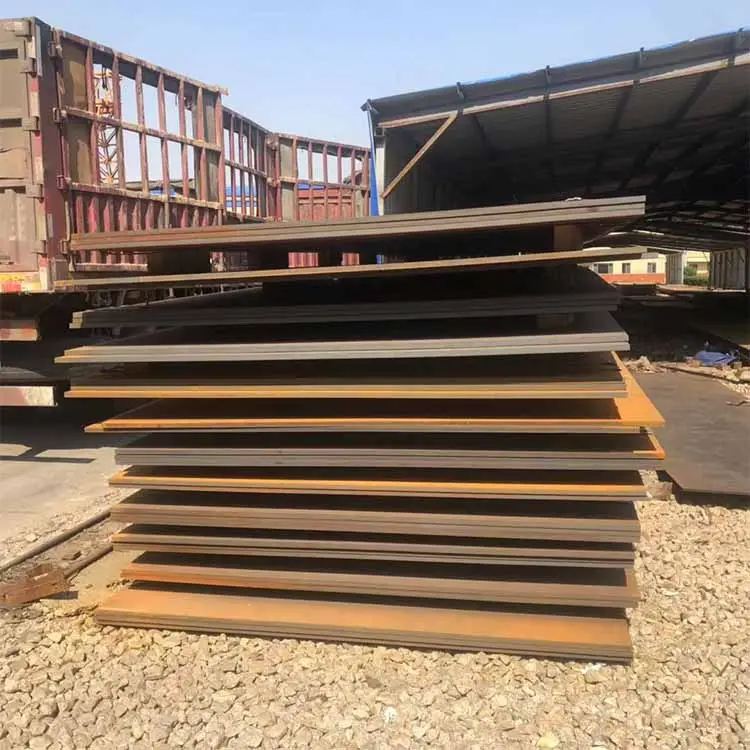
Choosing the correct plate dimension is a critical engineering decision that dictates structural integrity, safety margins, and lifecycle project economics. In heavy industrial manufacturing, pressure vessel construction, and structural engineering, carbon steel plate thickness selection directly influences how a component handles mechanical loads, thermal stress, and environmental exposure. An undersized plate risks catastrophic structural failure, while an oversized plate introduces unnecessary weight and prohibitive material costs.
As a leading Chinese steel manufacturing and export platform, TISCO GROUP delivers comprehensive industrial solutions backed by advanced rolling mills, strict compliance with international standards (ASTM, EN, ISO), and rigorous third-party inspection. This technical guide explores the core principles of selecting carbon steel plate thickness based on load requirements, fabrication constraints, and cost optimization.
Core Engineering Criteria for Carbon Steel Plate Thickness Selection
Effective carbon steel plate thickness selection begins with a thorough evaluation of the mechanical and environmental forces acting on the structure. Engineers must analyze several primary load parameters:
Dead Load vs. Live Load: Permanent structural weight (dead load) combined with transient operational forces (live load, wind, seismic activity, and moving machinery) establishes the baseline thickness requirement.
Yield Strength and Safety Factors: The material's minimum yield strength (e.g., 250 MPa for ASTM A36 or 355 MPa for EN S355) determines the allowable stress limit. Safety factors are applied to prevent plastic deformation under peak operating loads.
Deflection and Rigidity Limits: In applications such as machine beds, bridge decks, and storage tank walls, controlling structural deflection under load is often more critical than ultimate tensile strength, necessitating increased plate thickness.
Corrosion Allowance: For industrial environments exposed to moisture, chemicals, or abrasive media, an extra thickness margin (corrosion allowance) is routinely added to account for material loss over the design lifespan.
Material Grades and Thickness Performance Matrix
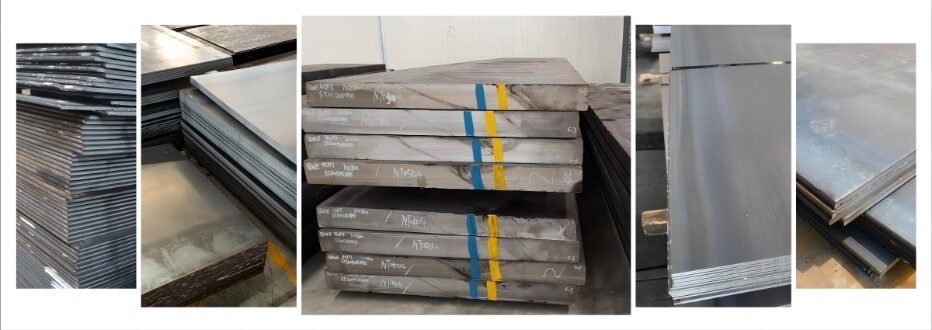
Different carbon steel grades exhibit varying mechanical responses across thickness ranges. Thicker plates typically experience lower cooling rates during rolling, which can slightly alter microstructural grain size and core mechanical properties.
Fabrication Limits and Cost Optimization
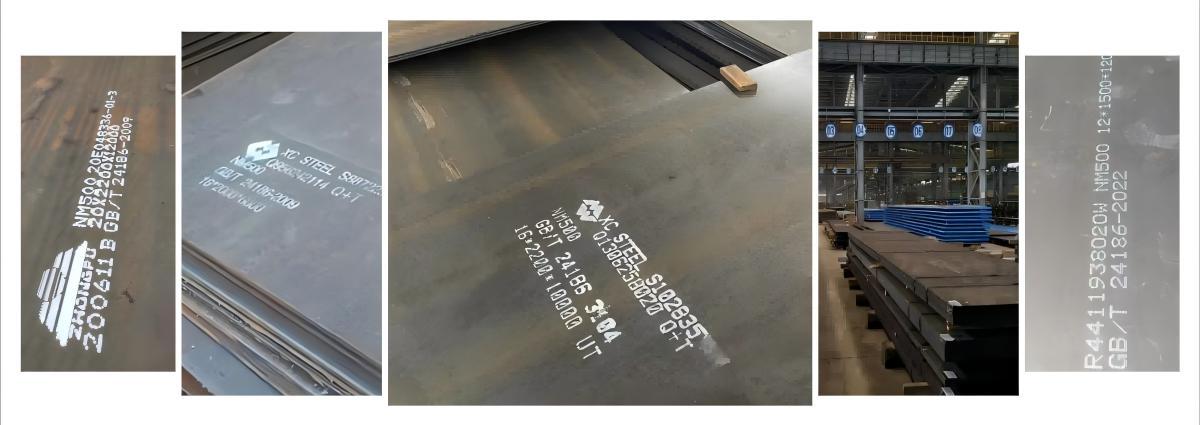
Technical specifications must align with practical fabrication capabilities. Carbon steel plate thickness selection directly impacts cutting, welding, and forming processes:
Welding Considerations: Plates exceeding 25 mm in thickness often require joint preparation (beveling), pre-heating to prevent hydrogen-induced cracking, and controlled interpass temperatures during multi-pass welding.
Cold and Hot Forming: Thicker plates demand significantly greater bending radii and higher tonnages on press brakes, limiting tight-radius cold forming.
Cost Optimization: Material cost scales directly with weight. Advanced structural optimization utilizes varying plate thicknesses or high-strength low-alloy (HSLA) grades (like Q355) to reduce overall section thickness without sacrificing load capacity.
One-Stop Steel Supply (TISCO GROUP)
Navigating complex global supply chains requires a trusted manufacturing partner capable of meeting precise dimensional and metallurgical requirements. TISCO GROUP operates as a premier comprehensive steel export platform, providing seamless procurement for international industrial clients.
Our integrated manufacturing and export capabilities include:
Stainless Steel: Comprehensive grades (304, 316L, 2205) in sheets, coils, and plates.
Carbon Steel: Full spectrum of structural plates, boiler plates, and wear-resistant sheets complying with global standards.
Galvanized Steel & PPGI/PPGL: High-performance coated coils and sheets for corrosion-resistant construction and roofing.
Custom Supply & Export Capability: Precision CNC plasma/laser cutting, edge beveling, MTC (Mill Test Certificate EN 10204 3.1) documentation, independent third-party inspection (SGS/BV), and seaworthy export logistics to over 60 countries.
Frequently Asked Questions (FAQ)
Q1: How does load type impact carbon steel plate thickness selection?
Static loads rely primarily on yield strength limits, whereas dynamic or cyclic loads require thicker sections or higher fatigue-resistant grades to prevent stress concentration and structural fatigue failure over time.
Q2: What are the standard thickness ranges for industrial carbon steel plates?
Industrial carbon steel plates generally range from 5 mm to over 150 mm, depending on whether they serve structural framing, heavy machinery, or high-pressure containment vessels.
Q3: How does increasing plate thickness affect welding and fabrication?
Thicker plates require stricter pre-heating protocols, multi-pass welding procedures, and specialized edge preparation to ensure structural weld integrity and avoid thermal cracking.
Q4: What international standards govern carbon steel plates provided by TISCO GROUP?
TISCO GROUP manufactures and certifies carbon steel plates in strict compliance with major international standards, including ASTM, ASME, EN, JIS, and ISO.
Q5: How does TISCO GROUP ensure quality for export shipments of thick steel plates?
Every production batch undergoes ultrasonic testing (UT), mechanical testing, and is delivered with a complete Mill Test Certificate (MTC) conforming to EN 10204 3.1, alongside optional third-party inspections by SGS or BV.
Q6: Can TISCO GROUP provide custom cut-to-size steel plates?
Yes. We offer full-service value-added processing including CNC flame cutting, laser cutting, plasma profiling, and beveling tailored to exact engineering blueprints.
PRODUCT LIST
Leave a Reply
Your email address will not be published. Required fields are marked *
Get in Touch
Get real-time quotes
Interested? Leave your contact details.