
News
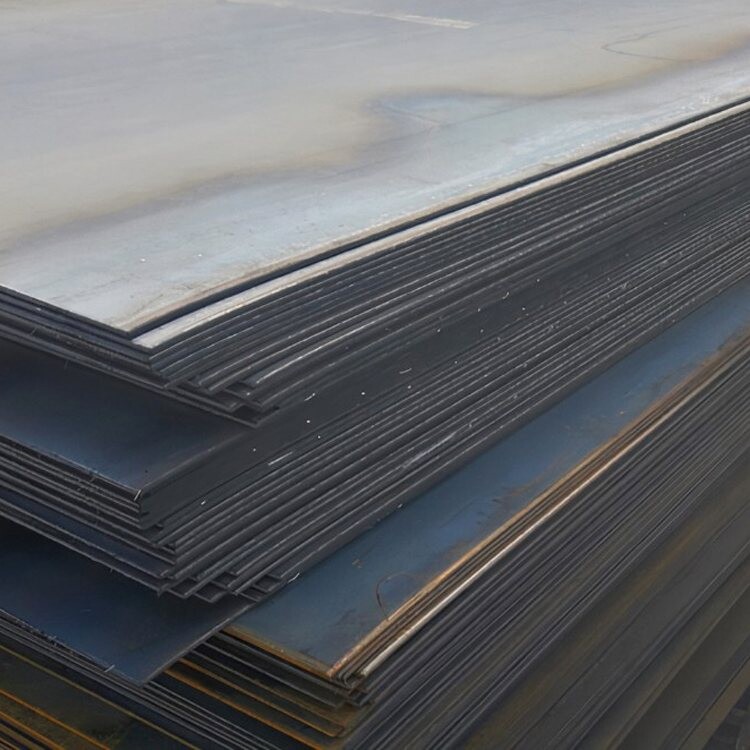
What is Carbon Steel Plate Bending?
Carbon steel plate bending is a specialized cold or hot forming process used to permanently deform structural and pressure vessel steel plates into precise angles, cylinders, and complex geometric profiles. Utilizing high-tonnage press brakes, mechanical rolls, and heavy hydraulic machinery, this process alters the shape of the steel without compromising its structural integrity.
In heavy industrial manufacturing, carbon steel plate bending goes beyond simple shaping; it requires managing severe internal residual stresses, geometric springback, and elongation limits. Precision bending forms the structural foundation for pressure vessels, large-diameter pipes, structural hulls, and heavy machinery chassis.
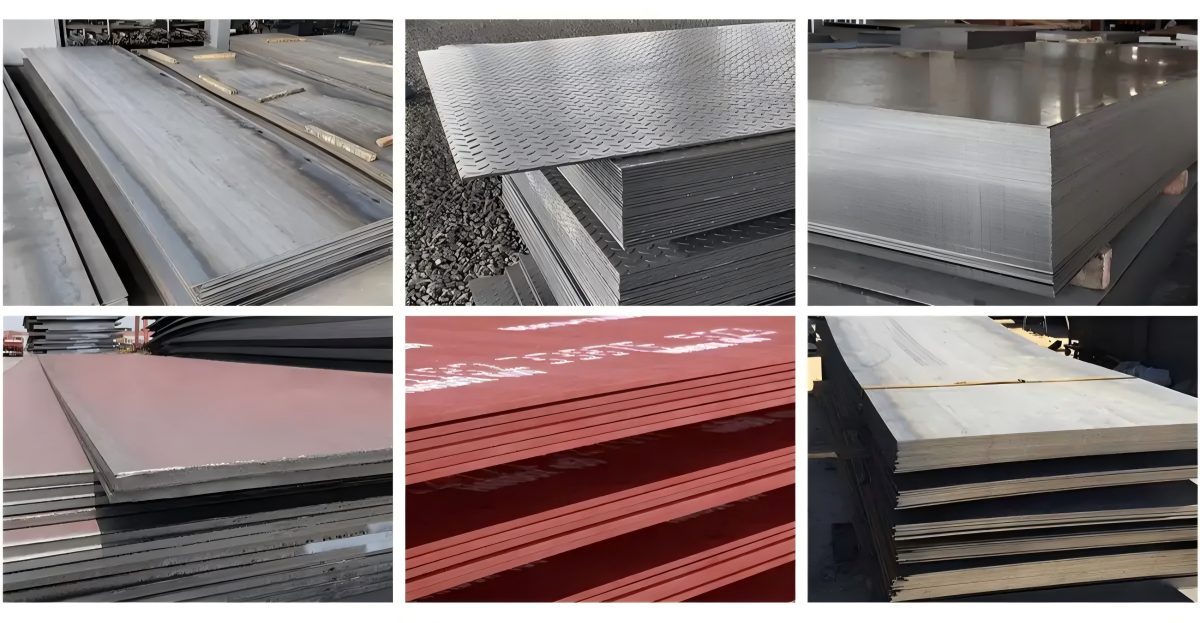
Grades, Types, and Classifications of Carbon Steel Plates
Choosing the appropriate steel grade is critical for successful bending and rolling. Different carbon equivalents and microstructures dictate formability, minimum bend radii, and resistance to cracking:
Structural Carbon Steel (ASTM A36, EN S275JR): General-purpose plates offering high ductility, excellent weldability, and straightforward bending characteristics for standard structural components.
High-Yield Structural Steel (ASTM A572 Grade 50, EN S355JO/J2): High-strength grades widely used in load-bearing applications. They require higher press brake tonnages and careful consideration of springback allowances.
Pressure Vessel Steel (ASTM A516 Gr. 65/70, EN P355GH): Engineered for elevated-temperature and pressure containment applications, possessing uniform grain structures suited for critical cylinder rolling.
Quenched and Tempered High-Strength Steel (Hardox / Domex equivalents): Extreme strength plates requiring specialized heavy-tonnage tooling and strict adherence to rolling radius parameters to prevent micro-cracking.
Comparison of Carbon Steel Plates for Bending and Fabrication
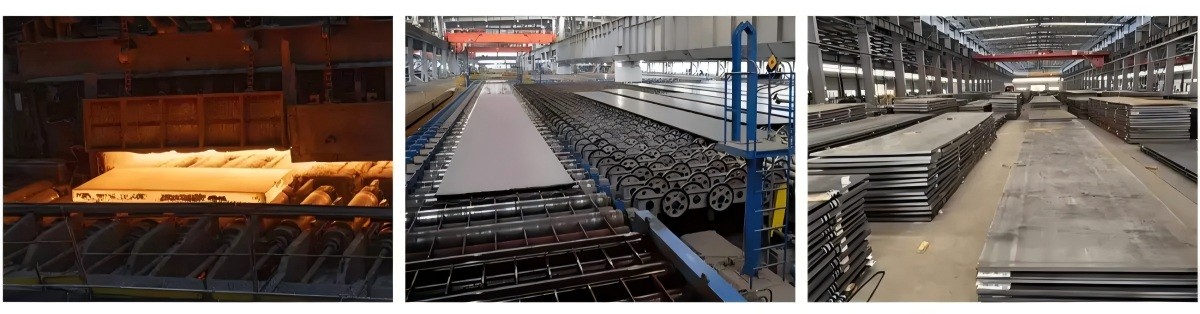
Technical Challenges, Properties, and Advantages
Executing heavy plate fabrication and steel plate rolling introduces complex mechanical hurdles that engineering teams must overcome:
Springback Compensation: Upon release of forming pressure, elastic recovery causes the steel plate to spring back toward its original angle. Advanced CNC press brakes utilize real-time angle measurement and calculated over-bending algorithms to compensate.
Plate Thickness and Anisotropy: Heavy plates often exhibit mechanical property variations across rolling directions. Proper orientation relative to the grain minimizes the risk of micro-cracking and edge splitting during severe bends.
Friction and Surface Galling: High-tonnage friction between heavy plates and tool dies can mar the surface. Utilizing polyurethane tooling pads or specialized roller lubricants preserves surface integrity.
Structural Integrity and Advantage: When executed correctly, custom steel bending eliminates welded joints, reducing stress concentration points and enhancing the fatigue resistance and pressure containment of the final assembly.
Industrial Applications
Custom carbon steel plate bending and heavy plate fabrication are indispensable across major heavy-duty engineering sectors:
Energy and Petrochemical: Cylindrical shells for oil refineries, chemical storage tanks, wind turbine tower sections, and high-pressure boiler drums.
Marine and Shipbuilding: Hull curvature plates, bow structures, bulkhead stiffeners, and offshore platform tubular components.
Heavy Machinery and Infrastructure: Excavator booms, crane outriggers, large-diameter transition ducts, and structural bridge girders.
Civil Engineering: Large municipal water pipelines, penstocks for hydroelectric plants, and structural architectural domes.
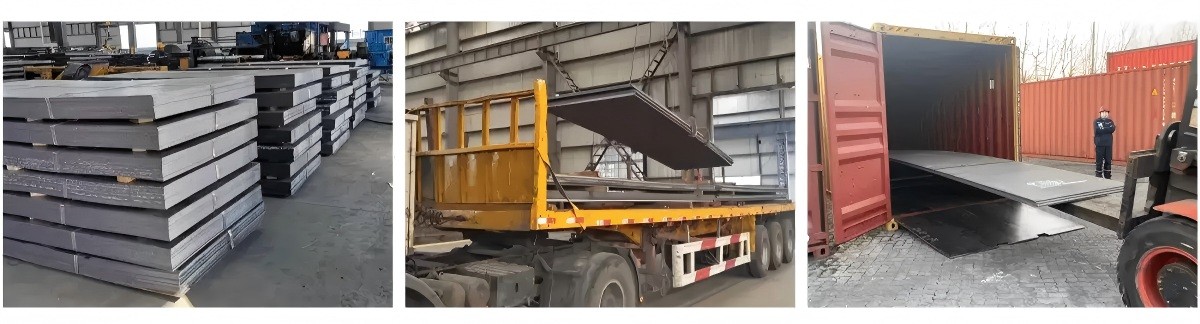
Manufacturing and Processing Techniques
Achieving tight tolerances in large steel plate processing requires a disciplined, multi-step engineering workflow:
Material Inspection & Blanking: Raw carbon plates undergo ultrasonic testing and dimensional verification before being cut to precise blank sizes via high-definition plasma or laser cutting.
Edge Preparation: Beveling and deburring plate edges to ensure clean fit-ups for subsequent welding operations following the bending phase.
Pre-Bending & Rolling: For cylindrical components, plate ends are pre-bent to eliminate flat spots, followed by multi-pass rolling on heavy-duty 3-roll or 4-roll plate bending machines.
Press Brake Air Bending: Utilizing multi-axis CNC hydraulic press brakes equipped with V-dies and punch matrices customized to exact radius and tonnage requirements.
Post-Process Inspection: Dimensional verification using digital laser trackers, ultrasonic weld and bend inspection, and stress-relieving heat treatments where required.
One-Stop Steel Supply (TISCO GROUP)
Procuring raw plates from one mill and outsourcing complex fabrication to separate service centers often leads to communication gaps, schedule delays, and inconsistent quality control. As an established global steel export platform, TISCO GROUP provides a streamlined, one-stop steel supply and heavy fabrication ecosystem designed for international EPC contractors and industrial manufacturers.
Our core material offerings cover a comprehensive range of industrial metals:
Stainless Steel: Sheets, plates, coils, and tubes in 304, 316L, 321, and duplex grades for corrosive environments.
Carbon Steel: Hot-rolled plates, boiler plates, structural coils, and seamless pipes engineered for high-load applications.
Galvanized Steel: Premium HDG coils, sheets, and corrugated panels providing robust corrosion defense.
PPGI / PPGL: Pre-painted galvanized and galvalume steel offering long-term exterior aesthetics and color stability.
Alloy Steel & Specialized Plates: High-strength and wear-resistant plates tailored for extreme mechanical conditions.
Backed by advanced custom supply services—including large steel plate processing, CNC cutting, rolling, and bending—alongside strict ISO quality protocols, verifiable MTC (Mill Test Certificates), support for third-party inspections (SGS, BV), and extensive global export experience, TISCO GROUP delivers engineered solutions right to your project site.
PRODUCT LIST
Leave a Reply
Your email address will not be published. Required fields are marked *
Get in Touch
Get real-time quotes
Interested? Leave your contact details.