
News
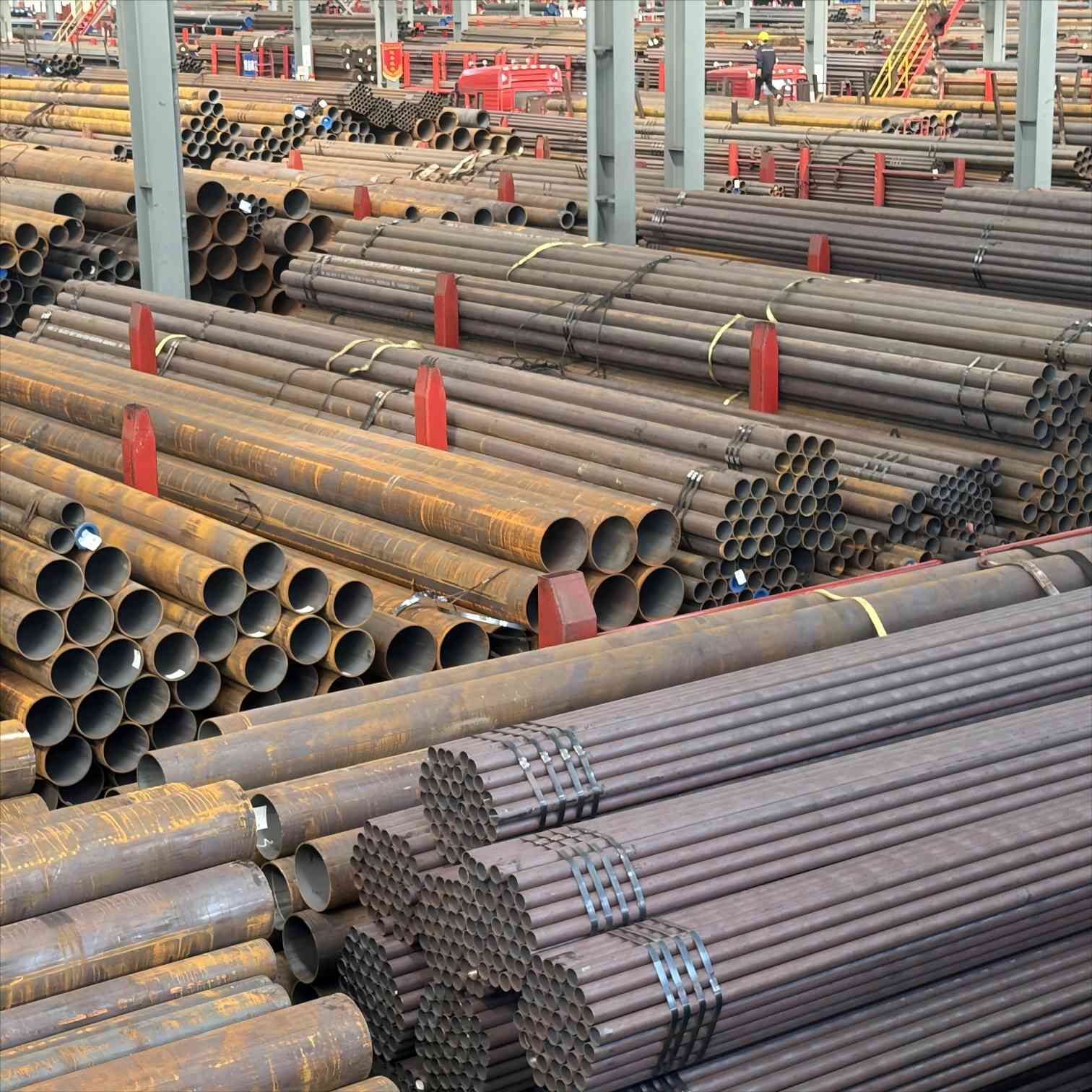
Selecting the appropriate steel grade is a critical decision for any structural project. At Tisco Group, we specialize in providing high-quality carbon steel that meets international standards. Two of the most common grades used in construction and engineering are S235JR and S355JR. While they may look identical to the naked eye, their mechanical properties and applications differ significantly.
Understanding the Nomenclature
According to the EN 10025-2 standard:
"S" stands for Structural steel.
"235" or "355" represents the minimum yield strength (measured in MPa or $N/mm^2$).
"JR" indicates the impact test quality (27 Joules at room temperature, 20°C).
Key Differences in Mechanical Properties
The primary difference lies in the yield strength. S355JR is roughly 50% stronger than S235JR. This means that for the same load-bearing requirement, you can often use thinner or smaller sections of S355JR, effectively reducing the overall weight of the structure.
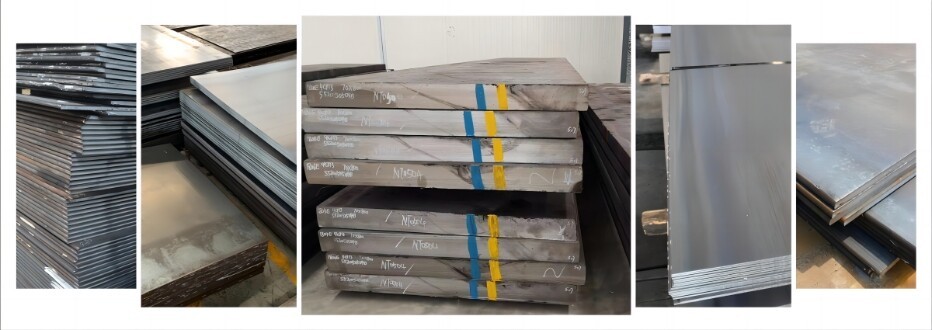
Practical Examples & Applications
S235JR (The Versatile Choice): Ideal for projects where extreme strength isn't the priority, such as park benches, light frames, or decorative elements. For example, in a simple warehouse mezzanine where loads are static and predictable, S235JR offers a cost-effective solution.
S355JR (The Heavy-Duty Choice): Used in demanding environments like bridge construction, offshore structures, or high-rise buildings. If you are designing a crane arm or a transmission tower, the higher strength-to-weight ratio of S355JR is essential for safety and efficiency.
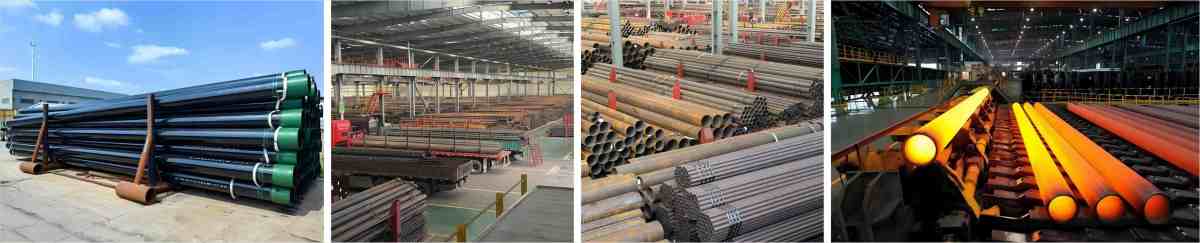
PRODUCT LIST
Leave a Reply
Your email address will not be published. Required fields are marked *
Get in Touch
Get real-time quotes
Interested? Leave your contact details.